

Why Fingering Deserves More Attention Than People Think
I’ll be honest—when I first started exploring intimacy, fingering felt like something people treated as “just foreplay,” almost like a warm-up before something else. But over time, I realized that’s not always true. For a lot of people, it’s not just a step—it can be the main experience.
And the difference between “just doing it” and actually doing it well? It’s huge.
I’ve had moments where it felt awkward, rushed, or just… off. And I’ve also experienced times where everything clicked, and it felt natural, connected, and surprisingly intense. That contrast made me realize this is one of those skills that’s worth learning properly.
What Fingering Really Means (And What It’s Not)
At its core, fingering is simply using your hands to create pleasure. But I think people often misunderstand it as something purely technical or goal-driven.
From my experience, it’s actually more about awareness than technique.
It’s not just about where you touch, but how you touch, how you respond, and how well you read the other person. A partner once told me something that stuck: “It’s not about doing more—it’s about paying attention.” That changed how I approached everything.
It also helped me realize that external touch matters just as much—if not more—than anything else. Rushing straight into intensity usually doesn’t work the way people think it will.

Start With Communication (It Makes Everything Easier)
Before anything even starts, communication makes a bigger difference than most people expect.
I used to think asking questions would make me seem inexperienced, but it actually does the opposite. It shows you care about what the other person likes instead of guessing.
Even something simple like:
“Do you like it slower or more steady?”
“Is this comfortable?”
can completely change the experience.
One of my friends once said, “The hottest thing someone can do is actually listen.” And honestly, that’s been true every time.
Preparation Matters More Than You Think
This part sounds basic, but it really matters.
Clean hands, trimmed nails, and just being mindful of comfort make a big difference. It’s one of those things that, if done right, no one notices—but if done wrong, it immediately ruins the mood.
I’ve also learned that adding a little lubricant makes everything smoother and more comfortable. It reduces friction and lets you focus on rhythm instead of worrying about whether something feels off.
Go Slower Than You Think You Should
If there’s one thing I wish I understood earlier, it’s this: slower is almost always better at the beginning.
There’s a natural temptation to rush or to assume that faster means better, but in reality, consistency matters way more than speed. Taking your time allows the other person to relax and actually enjoy what’s happening.
I’ve noticed that when I slow down and keep a steady rhythm, the response is usually much stronger than when I try to “do more.”
Focus on the Outside First
Another thing people often get wrong is going too direct, too fast.
From what I’ve learned, starting with more general, external touch helps build comfort and anticipation. It also allows you to understand how your partner reacts before doing anything more intense.
It’s less about jumping to a specific move and more about creating a gradual build-up.
Pay Attention and Adjust in Real Time
No two people respond the same way, and that’s something you really feel in the moment.
Instead of constantly changing what you’re doing, it’s often better to notice what’s working and stay consistent. Small adjustments based on feedback—whether verbal or just body language—make a bigger impact than constantly switching techniques.
That same friend I mentioned earlier once laughed and told me, “People think variety is the key, but honestly, consistency is what gets you there.” I didn’t fully get it at the time, but now I do.
Position Can Change Everything
Something that doesn’t get talked about enough is how much positioning matters.
What you see in movies or online isn’t always what works best in real life. Sometimes a slight change in angle or body position can make everything feel completely different.
Being flexible and adjusting based on comfort usually leads to a better experience than trying to follow a “perfect” setup.
Adding Toys Can Make It Even Better
This is where things can get really interesting.
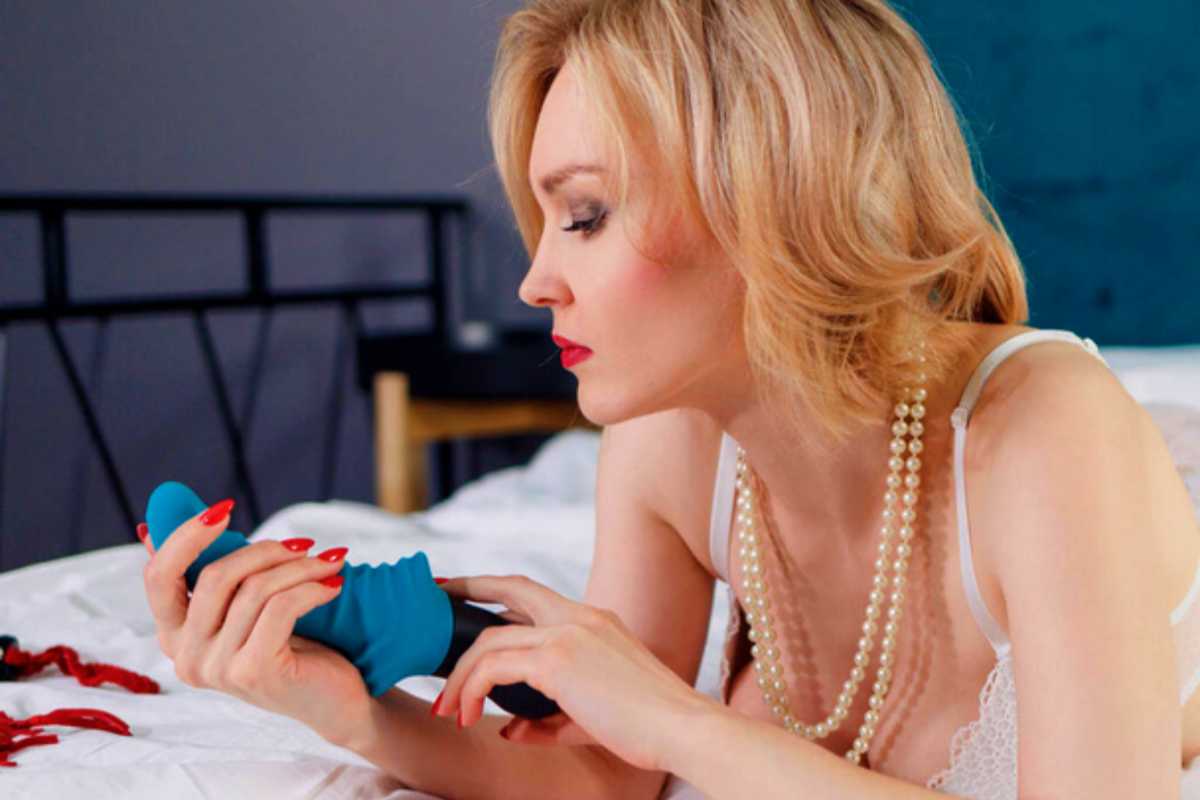
From my experience, adding a toy doesn’t replace anything—it just enhances what’s already happening. It can introduce a different kind of sensation and make everything feel more layered.
For example, something like a rose toy can add a softer, more rhythmic feeling that pairs really well with manual touch. Instead of everything relying on one type of stimulation, it creates a balance that feels more natural and less pressured.
A partner once told me, “It’s not about needing something extra—it just makes everything easier to enjoy.” That pretty much sums it up.
Don’t Overthink It—Just Stay Present
At the end of the day, the biggest mistake I see (and have made myself) is overthinking.
It’s easy to get caught up in trying to “do it right,” but that usually makes things feel stiff or disconnected. The best experiences I’ve had were the ones where I stayed present, paid attention, and didn’t try to force anything.
Once you understand the basics, it stops being about technique and starts being about connection.
And honestly, that’s what makes it worth trying in the first place.